|
|
|

A sticky substance on the leaves of Echinacea is often caused by an infestation of aphids. These tiny insects feed on the sap of the plant and excrete a sugary substance known as honeydew. The honeydew can attract other insects, such as ants or flies, and can promote the growth of sooty mold on the plant. To treat an aphid infestation, use an insecticidal soap or neem oil to kill the insects and remove the honeydew from the leaves.
Gardening Expert: |
If you can't find what you are looking for on the website then you can ask one of our experts. To get in touch with us Click Here
We will try to get back to you with an answer as soon as we can.
Echinacea, also known as coneflower, is a genus of flowering plants in the family Asteraceae, native to North America. They are herbaceous perennials with large, daisy-like flowers that come in shades of pink, purple, and white. Echinacea plants prefer full sun and well-draining soil, and they are relatively easy to grow.
Echinacea plants typically grow to be about 2-4 feet tall and wide, with stiff, hairy stems and long, narrow leaves. The flowers are large and showy, and they are often cone-shaped with a spiky center. Echinacea plants bloom from early summer to early fall, making them a popular choice for gardeners looking to add some colour to their gardens during the warmer months.
Echinacea plants prefer full sun and well-draining soil that is not too rich in nutrients. They require regular watering during the growing season and benefit from occasional fertilization. Echinacea plants can be propagated by seed or by division, and they are relatively low-maintenance plants that can tolerate drought and heat once established.
Echinacea plants are often used in traditional medicine to boost the immune system and treat a variety of ailments, including colds, flu, and infections. The roots, leaves, and flowers of the plant are all used for medicinal purposes, and echinacea supplements are widely available in health food stores and pharmacies. Echinacea plants are also popular ornamental plants, prized for their vibrant, showy flowers and long blooming period. They are often planted in beds, borders, and containers, and they are a favourite of bees, butterflies, and other pollinators.
Overall, echinacea is a versatile and useful plant that offers both medicinal and ornamental value. With their bright colours, long blooming period, and low-maintenance requirements, they are a popular choice for gardeners and herbalists alike.
Did you find this answer useful? Subscribe to our newsletter for gardeing news, projects, special offers and competitions.
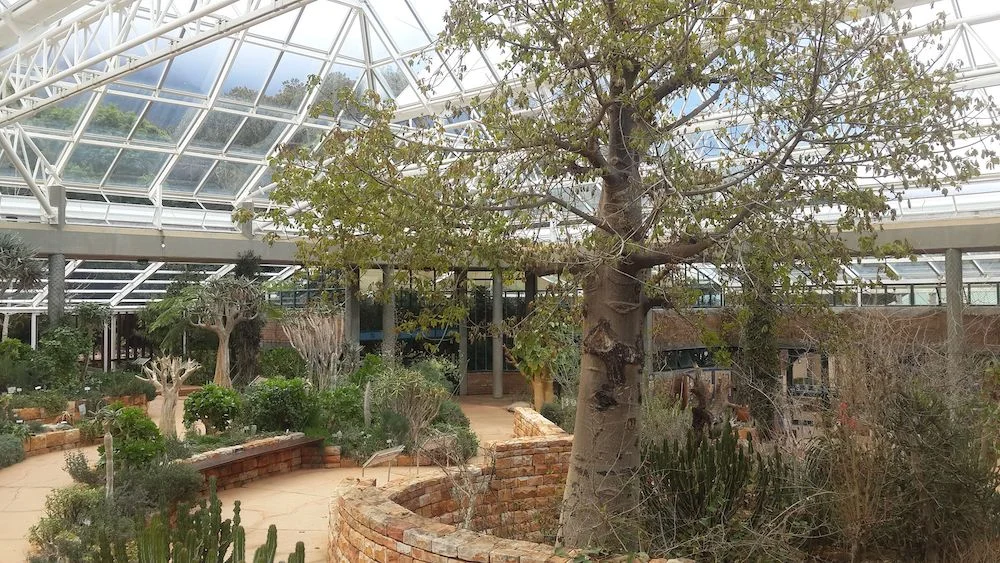
Kirstenbosch National Botanical Garden
Cape Town, South Africa
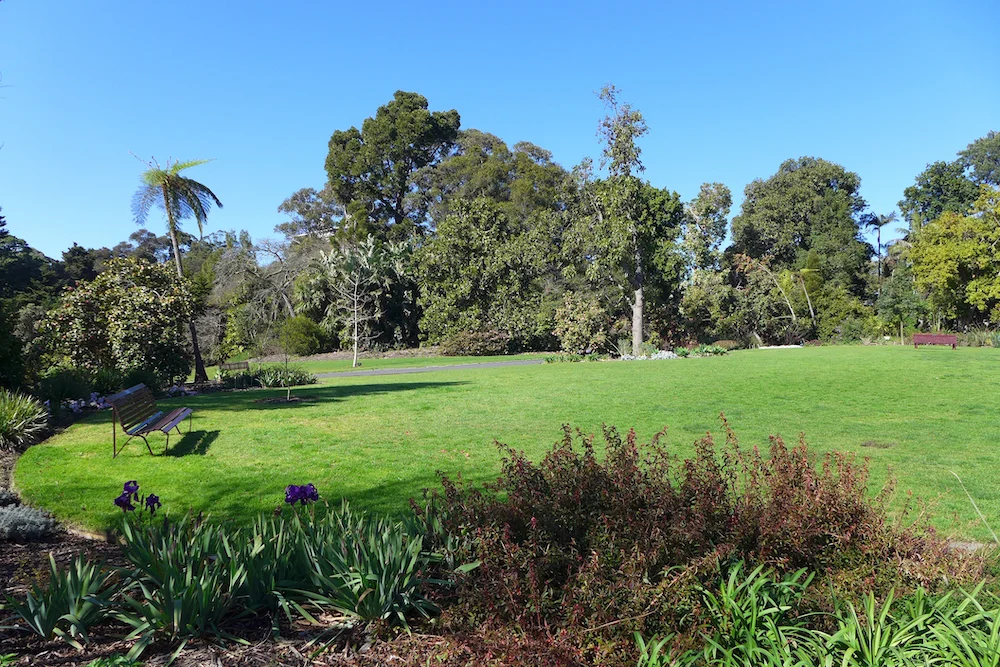
Royal Botanic Gardens Victoria
Melbourne, Australia

Vallarta Botanical Garden
Vallarta, Mexico
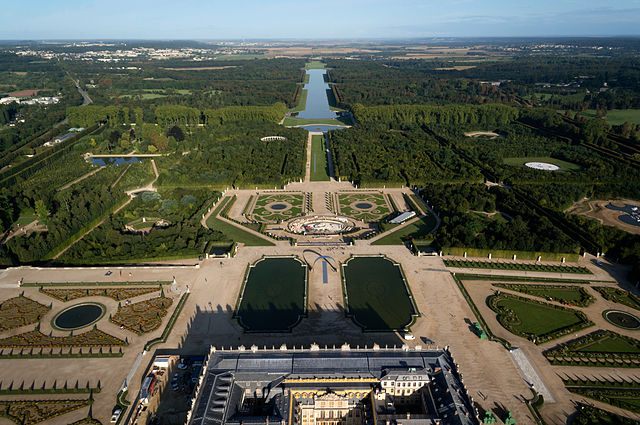
Gardens of Versailles
Versailles, France
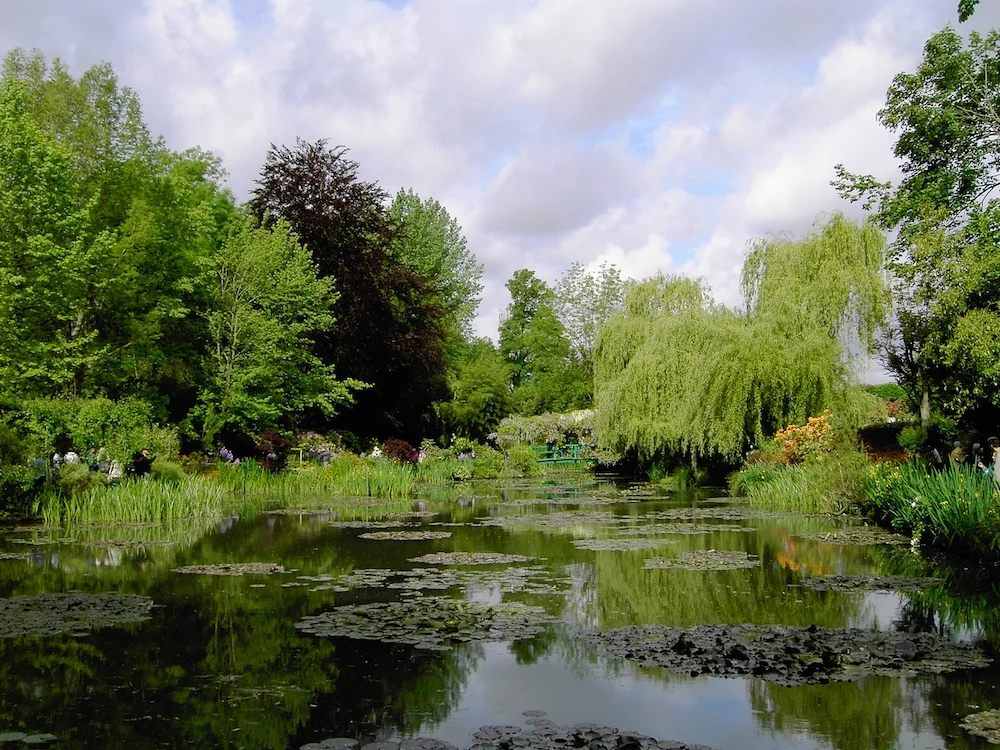
Monet's Garden, Giverny
Giverny, France

Koishikawa Korakuen Gardens
Tokyo, Japan