Garden Help
Ask a Question
Latest
News: Chestnut Nursery Wins Two Awards at Celebration of Business ExcellenceNews: Sunshine, show gardens & fabulous flowers at Gardeners' World Spring FairNews: Stiga Helps Kids Grow this National Children's Gardening Week News: Bloom and Brilliance: The 2026 Harrogate Spring Flower ShowProduct review: Stiga Battery leaf blower SAB 500 AEProduct review: Cobra HM381 Manual Cylinder MowerWin: Win Char-Broil's new electric2coal Patio Bistro BBQ Win: Win One of 5 CORONILLA CITRINA PlantsWin: Win a Pair of Beautiful LECHUZA PlantersExplore: Ritsurin GardenExplore: Rikugien GardensThis week's recipe: Strawberry and Rhubarb Crumble
Home Pests & Diseases Sooty moulds
Pests & Diseases

Sooty moulds

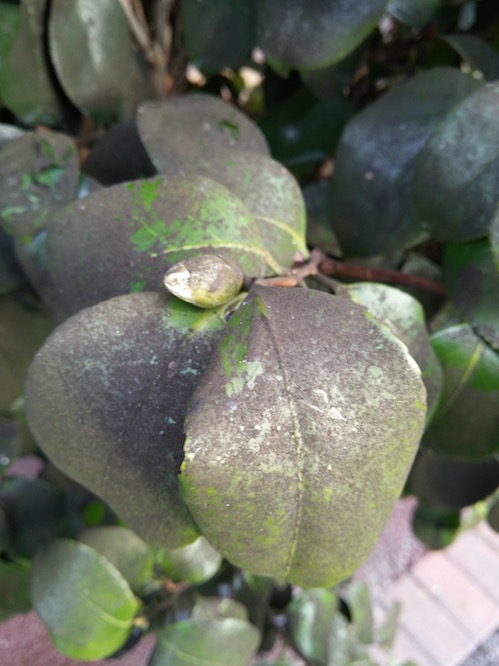
Image of Sooty moulds
🔎Description

Are caused by a number of different fungi producing a dark brown or black felt like growth and spores over the surfaces of plants. They usually grow on sugar-rich honeydew, the waste produced by sap-sucking insects as a result of their feeding activities.

⚠️Symptoms

A layer of black or dark brown, superficial fungal growth on the stems, buds, flowers and upper leaf surfaces of plants. In the early stages this can take on the appearance of a fine soot-like deposit, and if not treated a thick sheet of growth on plant surfaces. This mould growth is closely associated with sap-sucking pests such as; aphids, mealy bugs, scale insects and whiteflies often found feeding on the plant, above the sooty mould. This mould does not invade the plant tissue but it can cause harm by preventing the affected leaves from functioning properly.

All Pests and Diseases