|
|
|

Home > Gardening News >
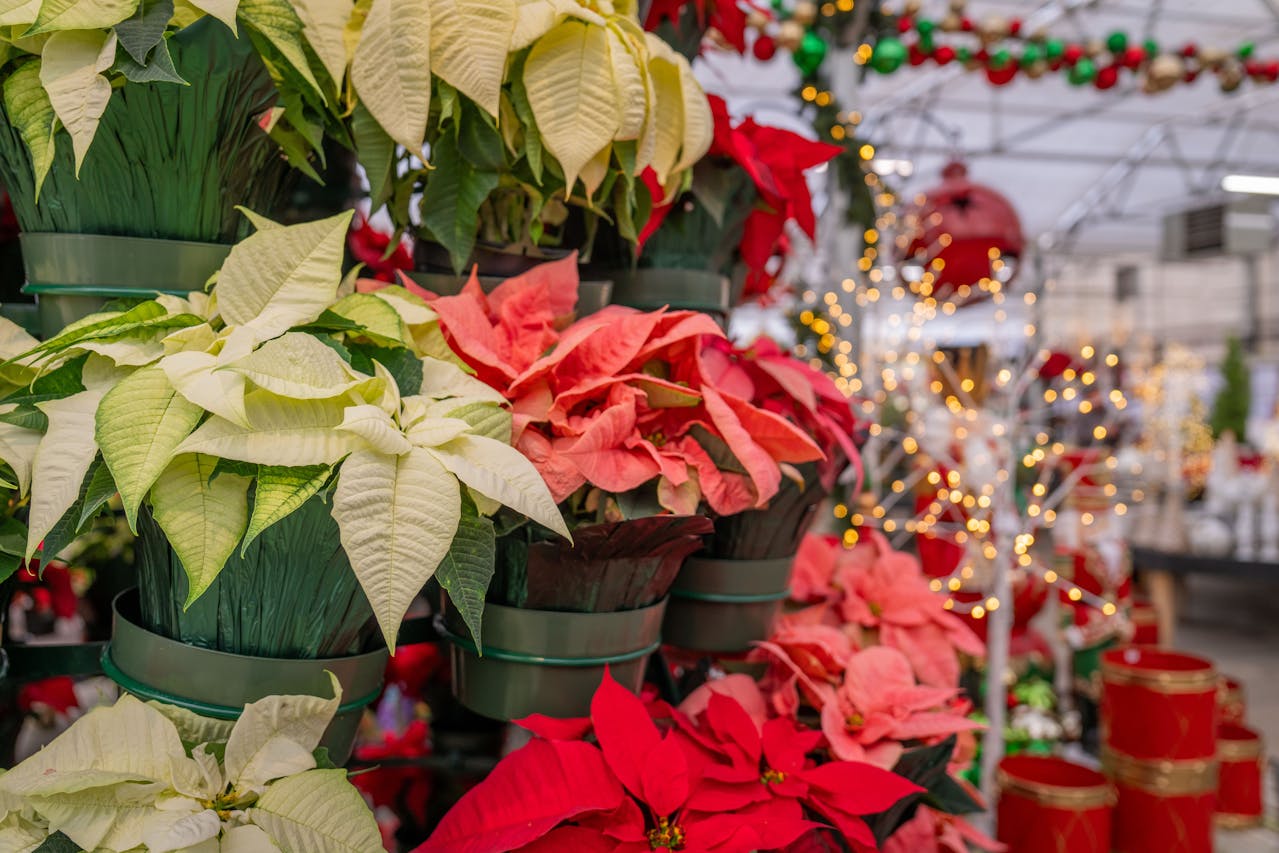
Every December, as shop windows glow and homes fill with the scent of pine, one plant reliably takes centre stage: the poinsettia. With its vivid scarlet “petals” and lush green leaves, it has become almost shorthand for Christmas itself. But this festive status is not a happy accident of colour alone. The story of how the poinsettia became a Christmas icon is a rich blend of botany, legend, and cultural exchange.
The plant’s origins lie far from frosty northern winters. Native to Mexico, the poinsettia flourishes in warm climates, where it can grow into a sizeable shrub. Long before it was destined for mantelpieces and office receptions, it held significance in pre-colonial culture. The Aztecs prized the plant for its striking appearance and practical uses, extracting dyes from its leaves and using its sap for medicinal purposes. Its association with winter festivities began later, shaped by Christian symbolism and seasonal storytelling.
A popular Mexican legend tells of a poor girl who had no gift to offer the Christ child at Christmas. Guided by an angel, she gathered weeds from the roadside and placed them at the church altar, where they miraculously bloomed into brilliant red flowers. Known locally as Flores de Nochebuena — Flowers of the Holy Night — the poinsettia became linked with humility, generosity, and the spirit of giving. The timing of its natural colour change, which occurs in response to shorter winter days, only strengthened this association with the Christmas season.
The plant’s journey beyond Mexico owes much to Joel Roberts Poinsett, an American diplomat and keen botanist who encountered the plant in the 1820s while serving in Mexico. Captivated, he sent cuttings back to the United States, where the plant was propagated and eventually named in his honour. From there, its popularity spread steadily, particularly as greenhouse cultivation made it possible to control flowering times.
Colour symbolism played a decisive role in sealing the poinsettia’s festive fate. The rich red bracts — often mistaken for petals — echo traditional Christmas colours associated with love, sacrifice, and warmth, while the deep green leaves represent life and renewal. Even the plant’s star-like shape has been likened to the Star of Bethlehem, offering yet another layer of seasonal meaning.
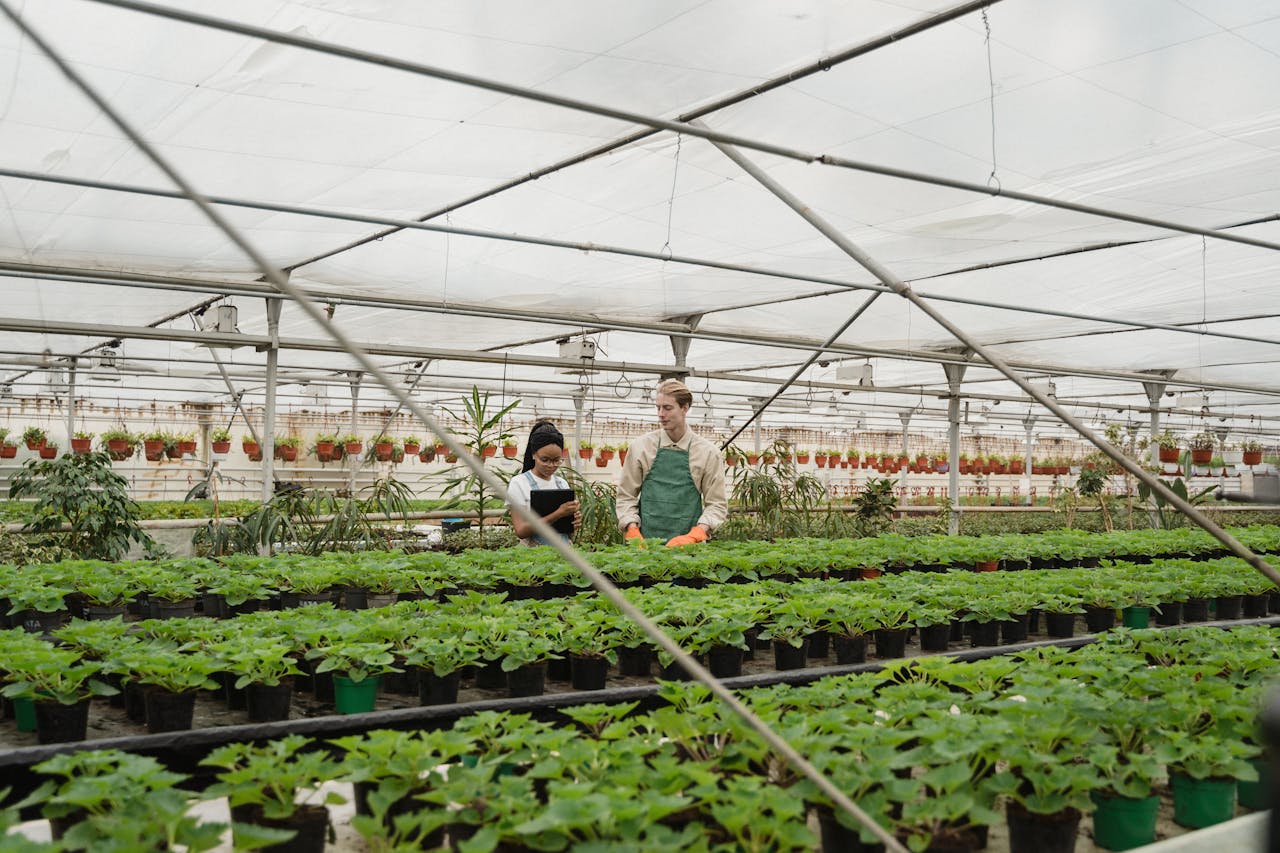
By the mid-20th century, commercial growers had refined cultivation techniques, producing compact, long-lasting plants ideal for indoor display. Clever marketing and mass distribution did the rest, transforming the poinsettia into a December staple across Europe and the UK.
Today, whether perched on a windowsill or gracing a cathedral altar, the poinsettia is more than just a decorative plant. It is a botanical storyteller — carrying centuries of legend, symbolism, and seasonal joy — and a vivid reminder that Christmas traditions often bloom from the most unexpected roots.
This story was published on: 22/12/2025
Image attribution: Pexels / Mark Stebnicki
Links to external, or third party websites, are provided solely for visitors' convenience. Links taken to other sites are done so at your own risk and Garden Help accepts no liability for any linked sites or their content. When you access an external website, keep in mind that Garden Help has no control over its content. Any link from us to an external website does not imply or mean that Garden Help endorses or accepts any responsibility for the content or the use of such website. Garden Help does not give any representation regarding the quality, safety, suitability, or reliability of any external websites or any of the content or materials contained in them. It is important for users to take necessary precautions, especially to ensure appropriate safety from viruses, worms, Trojan horses and other potentially destructive items. When visiting external websites, users should review those websites' privacy policies and other terms of use to learn more about, what, why and how they collect and use any personally identifiable information. Hyperlinks and hypertext links are provided on our website to promote easy access to the variety of information and services provided. We accept no liability arising out of the use of such links, including: misuse or misunderstanding of these hyperlinks and hypertext links and web site navigational methods third party interpretation of data or information which is distributed around the web site and reached using hypertext and hyperlinks third party understanding of or use of the navigational structure of the site or the interpretation of distributed information on the site We may revise this disclaimer at any time, without prior notice, by updating this web page.
We work hard to make sure that every image is used properly and according to the creator's wishes. If you feel that there is a attribution or copyright issue, please Click Here IMMEDIATELY

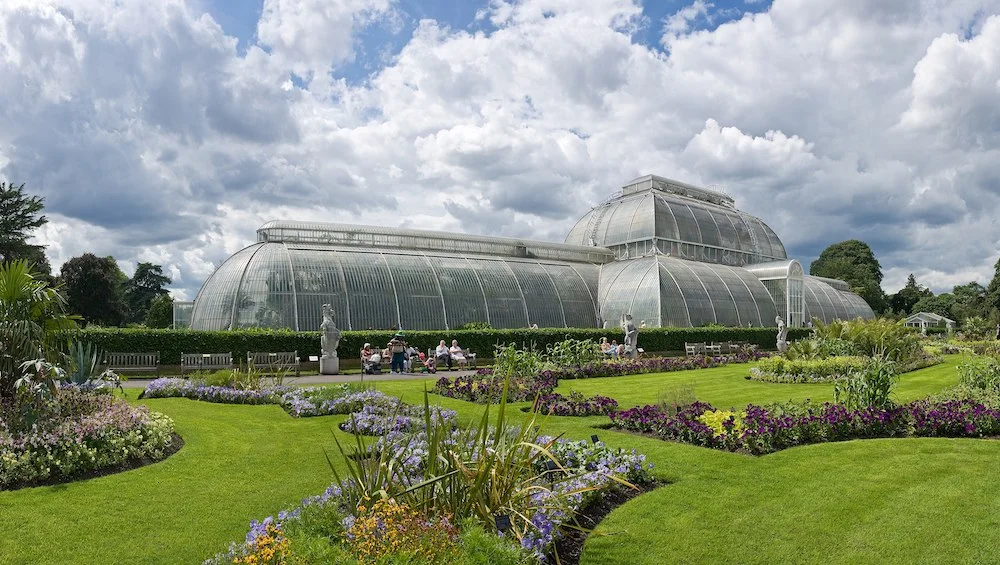
Royal Botanic Gardens, Kew
Richmond, United Kingdom
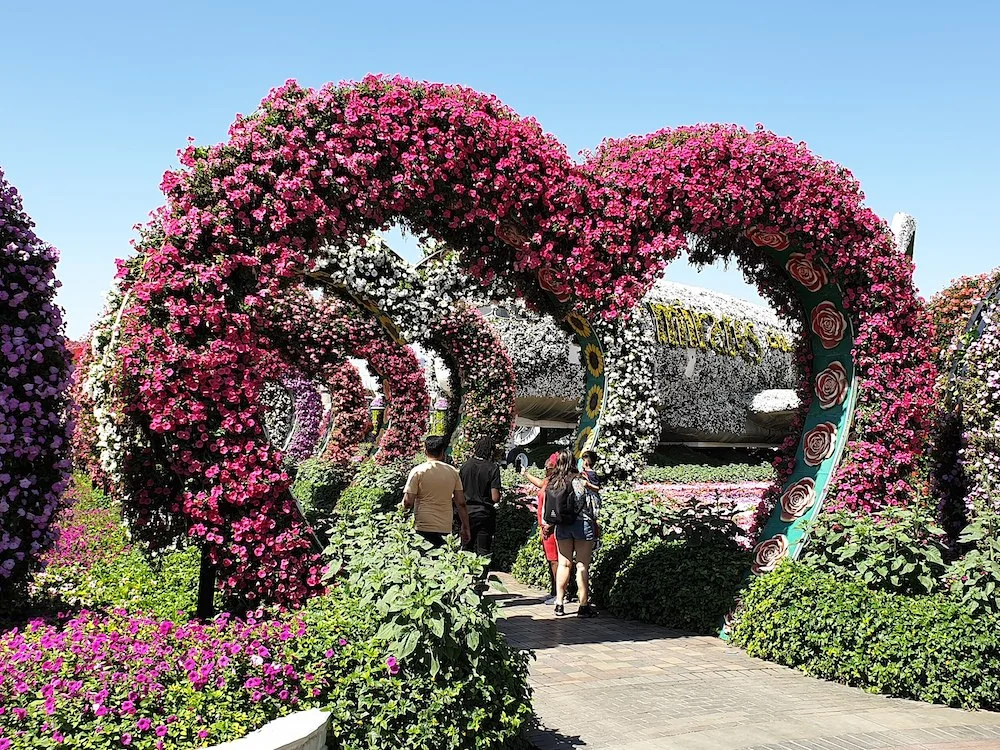
Dubai Miracle Garden
Dubai, United Arab Emirates
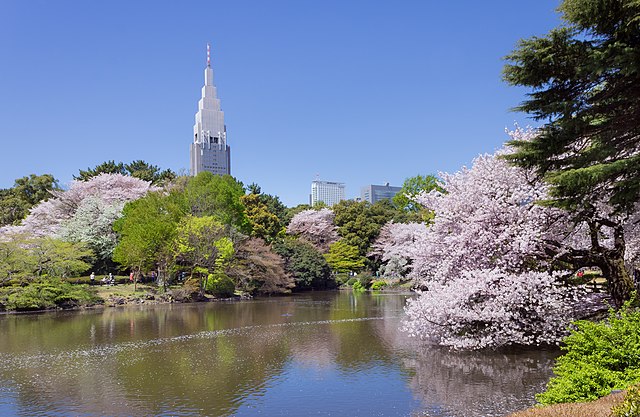
Shinjuku Gyoen National Garden
Tokyo, Japan

Gardens of Versailles
Versailles, France
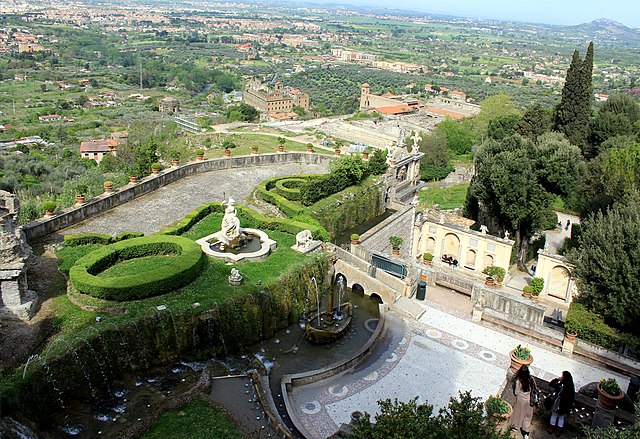
Villa d'Este Gardens
Tivoli, Italy
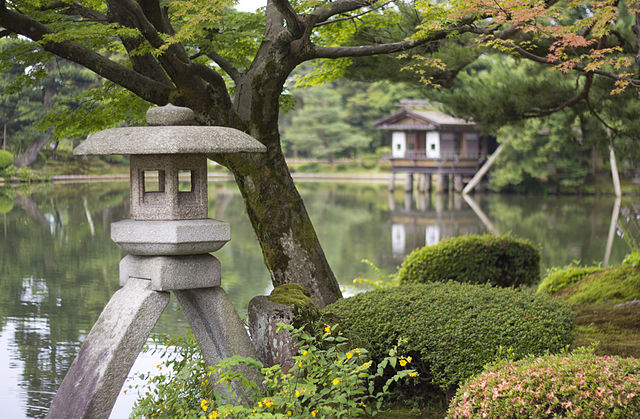
Kenrokuen Garden
Kanazawa, Ishikawa, Japan