|
|
|

Home > Gardening News >
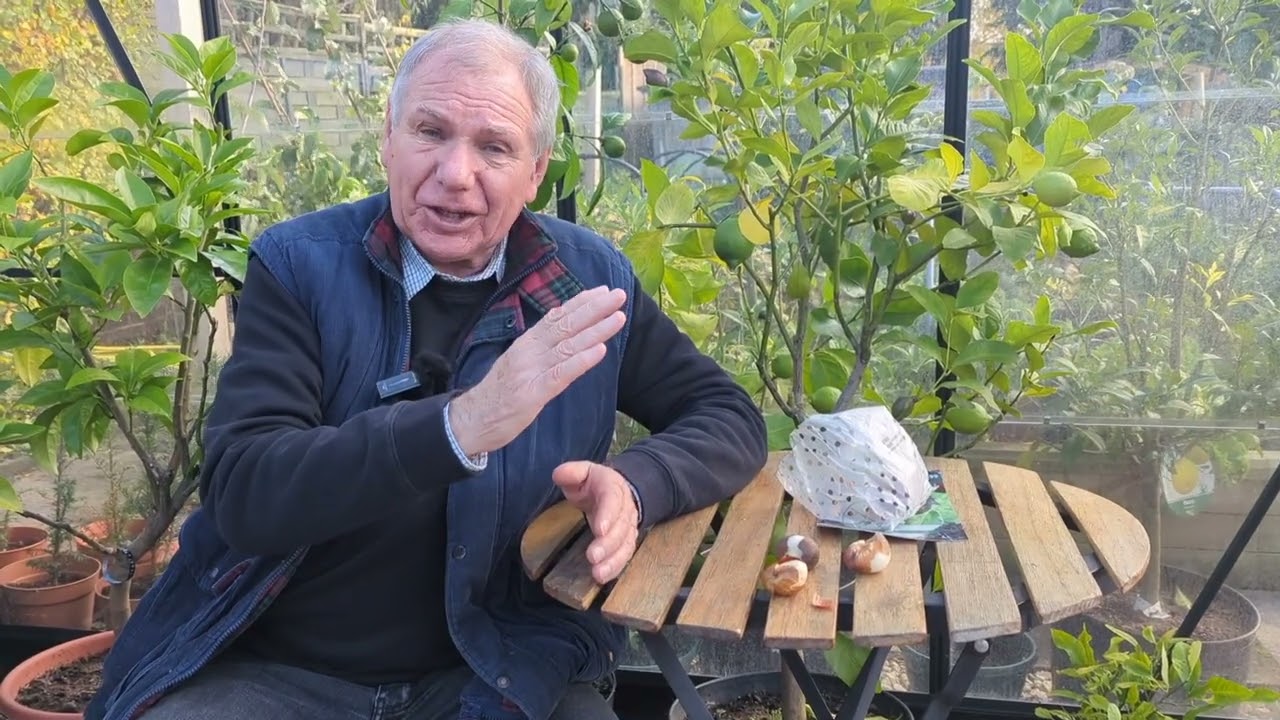
Growing citrus in York is not about recreating the Mediterranean; it’s about working with what you have, managing strengths and compensating for weaknesses. I grow a range of citrus, because they fascinate me and I love a challenge!
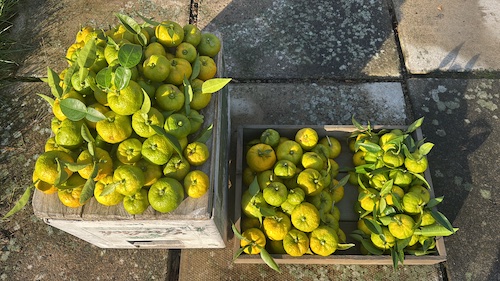
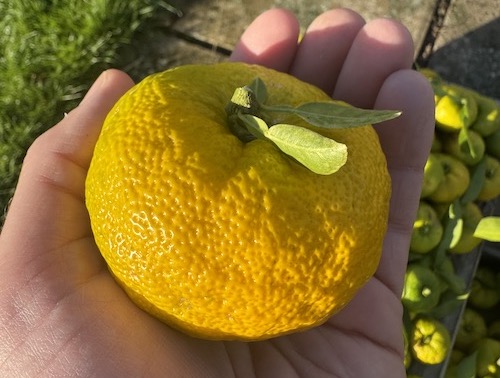
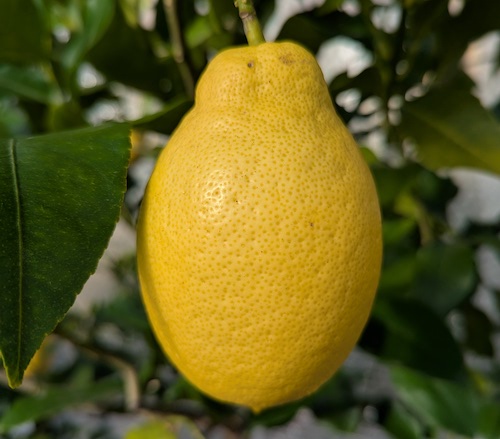
Unlike many citrus, my three yuzu plants are hardy enough to live outdoors year-round. The sudachi, Moro blood orange, red lime and lemons (Lunario and Feminello types) perform well outside in the height of summer, but need the protection of a heated greenhouse over winter. Is it worth it? Many citrus command a high retail price, which makes my harvest of jam, dried and powdered fruit so worthwhile. Not to mention fresh lemons for a G&T!
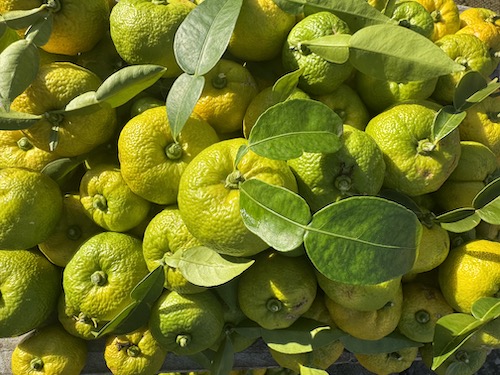
Light is crucial to growing citrus. In northern England, it is abundant in summer with long days of over 17 hours. Full sun is a must, with south-facing positions offering the best opportunity for balanced growth. Sites sheltered from strong wind are ideal, but can be deceptive. High light combined with limited airflow can push temperatures up high, leading to increased need for water. Winter light is more of an issue. Once levels fall below a workable threshold, citrus neither grow nor properly rest — they simply tick over. Supplementary LED lighting from November to February will sustain basic functions. Citrus have low carbohydrate storage, so when light drops, the plant begins expending energy it doesn’t have the ability to replace.
York’s summer temperatures are generally good - and sometimes excellent. Growth is best once daytime temperatures consistently exceed 18–20°C. In a sheltered spot, reduced air flow can lead to heat stress. Monitoring is essential - guessing is how plants wilt! In winter, temperature management is critical. Yuzu is the exception, tolerating light frost once established. All other varieties require frost-free conditions, ideally between 5–10°C. Heating is usually unavoidable, but warmth should be moderate. Too hot and citrus respond with long, weak growth, followed by sudden and often dramatic leaf drop if conditions fluctuate — a lesson most growers only need to learn once.
Cold, wet conditions are the fastest route to failure. Overwatering, particularly in winter, causes root death long before symptoms appear on the plant. In summer, watering should involve allowing the compost to dry slightly between applications, then soaking the compost thoroughly. Let the excess water drain away, In winter, watering becomes an exercise in restraint — just enough to prevent drying out, never enough to feel damp.
Citrus are greedy plants - think of them as hungry teenagers! From spring until late summer, regular high-nitrogen feeding supports leaf and shoot development, with potassium becoming increasingly important during flowering and fruit set. In peak growth, feed twice a week, but watch closely for changes in leaf colour and structure. Nitrogen, magnesium and iron deficiencies often overlap and rarely announce themselves politely. In winter, feeding should be minimal or suspended entirely unless light and temperature support active growth. Feeding a dormant plant is not kindness; it is slow poisoning.
Successful citrus growing means being alert. Pale foliage, distorted leaves or sudden leaf drop usually indicate environmental stress. Citrus will tell you something is wrong, but not in plain English. Interpretation improves with experience, mistakes, and a willingness to look closely. A useful rule of thumb: if something feels odd, it almost certainly is. We all learn the hard way!
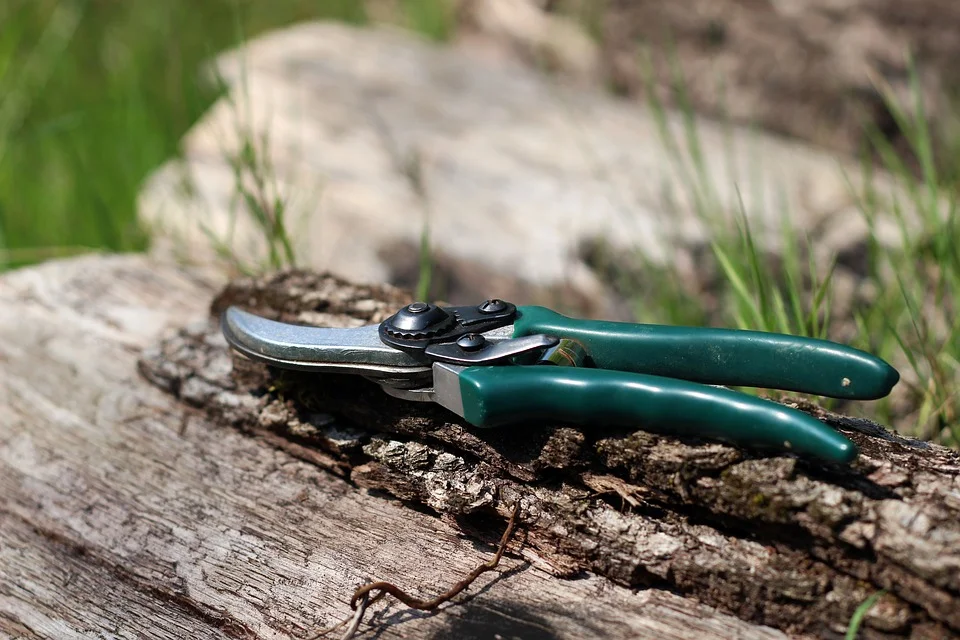
Pruning should be done for structure and airflow. Remove dead, damaged or crossing branches, along with any vigorous growth below the graft union. The aim is even growth with good light access. Late spring is ideal, once growth resumes, but before flower buds open. Winter pruning should be avoided entirely. Clean tools matter; wound paint does not. Citrus heal quickly when left to their own devices.
Most citrus, including lemons and yuzu, are self-fertile, though fruit set improves with pollination. Outdoors, insects like bees and hover flies manage this efficiently. Under cover, a soft paintbrush works well. Precision is unnecessary and cross-pollination is both common and harmless; citrus are definitely “love the one you’re with” plants. What does matter is crop size. Young plants will happily exhaust themselves if allowed, but thinning (natural or assisted) will keep this under control. Expect some losses.
Two-spotted (red) spider mite thrives in warm, dry stillness. Aphids favour soft growth. Mealybugs and scale establish slowly, then refuse to leave. All produce sweet, sticky honeydew as they feed, which drips down and encourages black sooty mould on lower leaves. The mould itself is not parasitic, but it blocks light and compromises photosynthesis. Control relies on early detection, improved airflow and proportionate response. If you see the mould, look for the pest.
If a citrus plant drops all its leaves, do NOT prune it. Green stems can still photosynthesise and citrus store very little energy internally. Removing that final capability often finishes the plant off. At this stage, the correct response is patience and resisting the urge to “tidy things up”.
This story was published on: 30/01/2026
Image attribution: Nick Bradley
Links to external, or third party websites, are provided solely for visitors' convenience. Links taken to other sites are done so at your own risk and Garden Help accepts no liability for any linked sites or their content. When you access an external website, keep in mind that Garden Help has no control over its content. Any link from us to an external website does not imply or mean that Garden Help endorses or accepts any responsibility for the content or the use of such website. Garden Help does not give any representation regarding the quality, safety, suitability, or reliability of any external websites or any of the content or materials contained in them. It is important for users to take necessary precautions, especially to ensure appropriate safety from viruses, worms, Trojan horses and other potentially destructive items. When visiting external websites, users should review those websites' privacy policies and other terms of use to learn more about, what, why and how they collect and use any personally identifiable information. Hyperlinks and hypertext links are provided on our website to promote easy access to the variety of information and services provided. We accept no liability arising out of the use of such links, including: misuse or misunderstanding of these hyperlinks and hypertext links and web site navigational methods third party interpretation of data or information which is distributed around the web site and reached using hypertext and hyperlinks third party understanding of or use of the navigational structure of the site or the interpretation of distributed information on the site We may revise this disclaimer at any time, without prior notice, by updating this web page.
We work hard to make sure that every image is used properly and according to the creator's wishes. If you feel that there is a attribution or copyright issue, please Click Here IMMEDIATELY

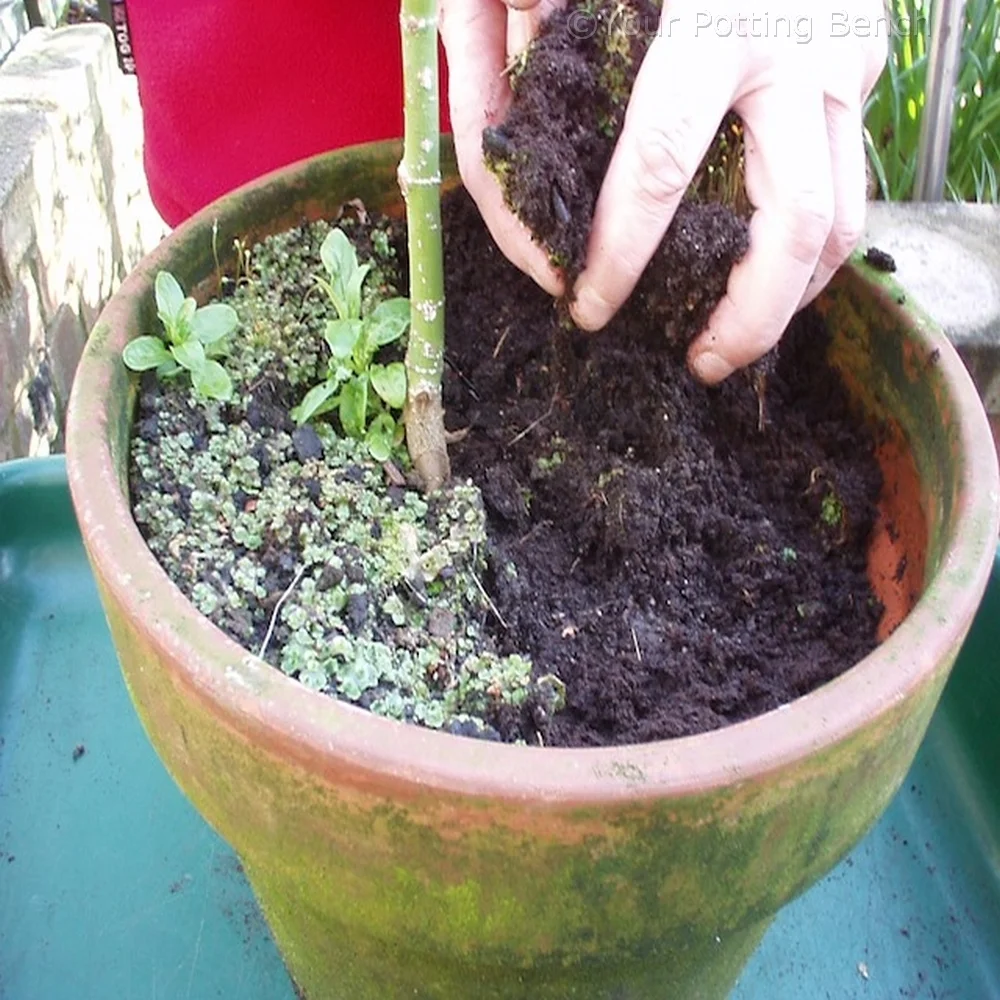

Butchart Gardens
British Columbia, Canada
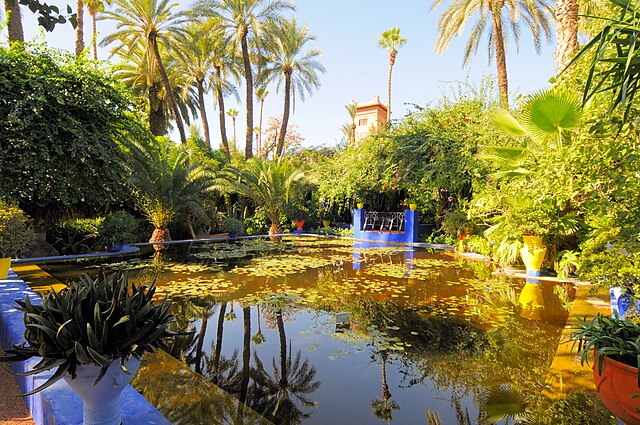
Majorelle Garden
Marrakesh, Morocco

Royal Botanic Gardens, Kew
Richmond, United Kingdom

Aswan Botanical Garden
Aswan, Egypt
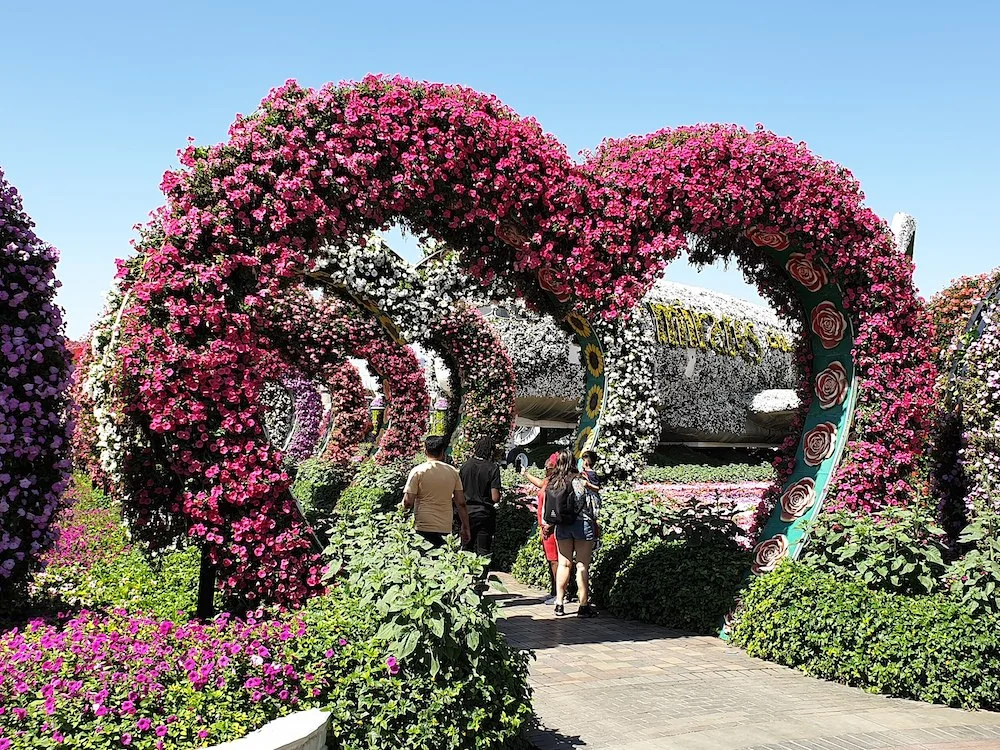
Dubai Miracle Garden
Dubai, United Arab Emirates

Vallarta Botanical Garden
Vallarta, Mexico